Who is behind the evidence, and how do we work?
Probatio means proof. This page says who we are, how we work and what we will not claim.
Who are we?
Probatio Africa is an independent social research company for Nigeria and, as the work grows, for the rest of Africa.
We help governments, donors and programme teams use evidence they can check. Our mission is to give decision-makers in Nigeria and across Africa social evidence that shows its working.
Probatio is Latin for proof. We chose it because proof is a process, not a claim: a source, a date and a method that anyone can look up.
What do we believe about evidence?
Five beliefs. Each one comes with a way to check that we hold it.
Start from the decision.
Every study begins with a choice someone has to make. If a study won't help with that choice, we say so.
Show your working.
Every figure has a source, a date and a label for how much weight it can bear.
Say what we don't know.
Every report has a page of limits, and we publish the questions that published data cannot yet answer.
Stay independent of the answer.
Scope, data access and publication terms are agreed in writing before fieldwork. We report findings whichever way they point.
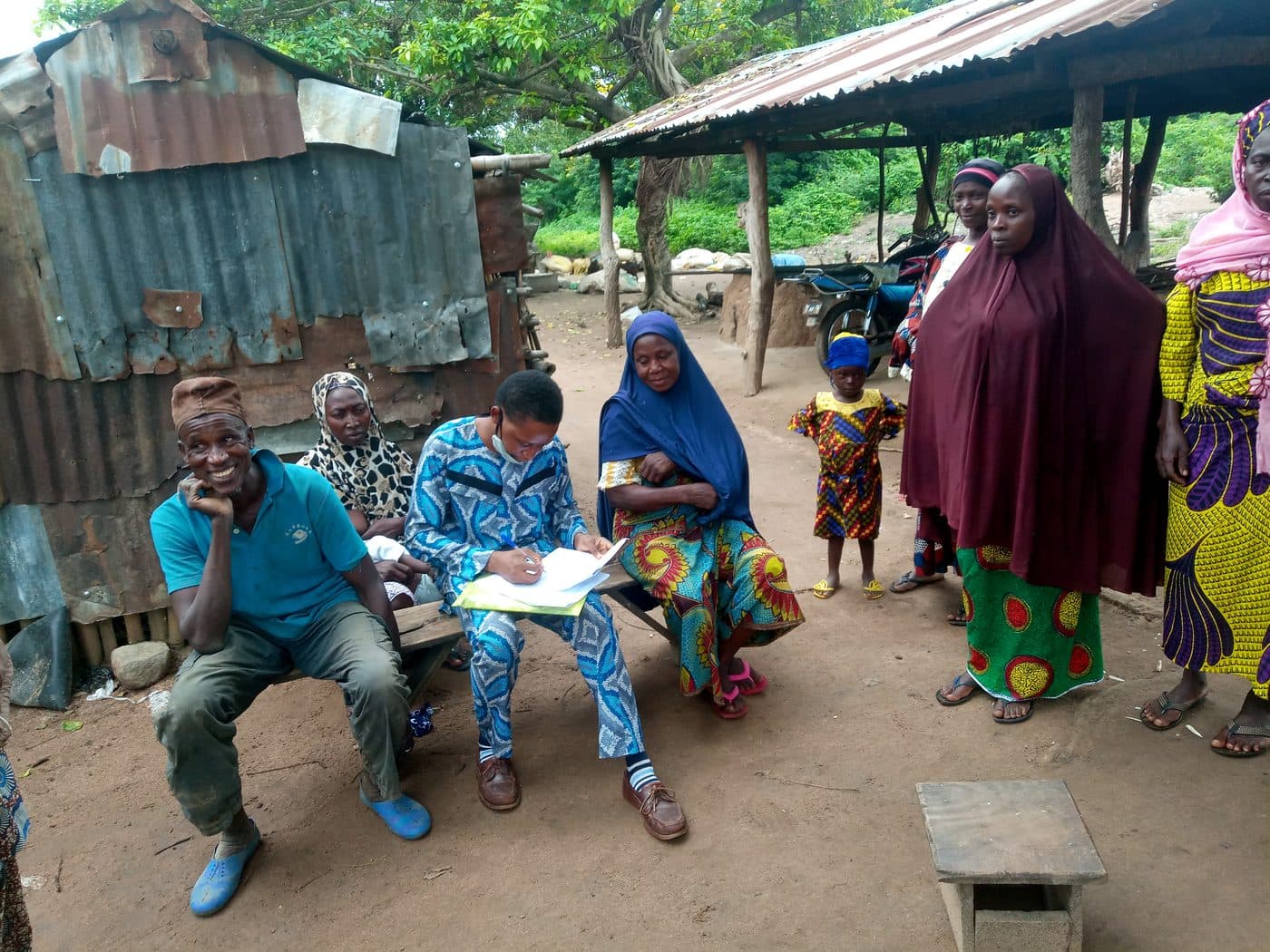
Treat people as people, not as data.
People take part freely, know what for, and can check that a survey is genuine before they answer anything.
How does a study run?
Four stages. Each has a sign-off by someone other than the person who did the work, and you can ask to see the file.
Design
We start from your decision. We fix the question and the level you need to report, and write down the design, the sample, the instruments, the ethics route and how we protect people's data. You approve it before anyone goes into the field.
Gates 1 and 2
Collect
Trained teams, a pilot, daily checks and back-checks. You see progress and the results of the checks while fieldwork runs, so problems are found while they can be fixed.
Gates 3 and 4
Analyse
The analysis plan is signed before the data are opened. Results are split by sex, age, disability and place where the sample allows, and a second person reviews the code.
Gate 5
Translate
Findings written for the person who has to act: a short brief, a report with its limits on one page, and a session with you and the people you invite.
Gate 6
How are we governed and funded?
Most firms give a number here. We give the rules, and we leave a fact blank until it is true.
Ownership and control
A privately owned company, registered in Nigeria with the Corporate Affairs Commission and based in Lagos. Its own leadership decides what it works on. No client or funder does.
Funding
The evidence pages are paid for from Probatio Africa's own income. No outside funder pays for them, and no funder or client edits findings before publication.
Independence
Terms agreed in writing before fieldwork. Findings reported whichever way they point. No positions on policy choices.
Who checks us
Ethics: an independent, registered research ethics committee reviews every study before first contact. Data protection and safeguarding: the Managing Director is responsible until dedicated leads are appointed, and their names will be published here.
Concerns and complaints
Write to enquiries@probatioafrica.com. A named person outside the study team reviews every complaint and replies within ten working days. If you are not satisfied, you can go to the Nigeria Data Protection Commission, or to the ethics committee that approved the study.
What will you not find here?
A short list, because it says as much about us as anything above.
- Client logos or client counts, until the work exists and the client agrees.
- Words like “leading”, “world-class” or “cutting-edge”.
- A figure with no source and no date.
- A map with pins for places we have not worked.
- A promise that a study will find what you hope it finds.
If we get something wrong, we correct it in the open, with the date.
Where are our standards and policies?
Standards and ethics
Methods, consent, safeguarding, data protection and independence.
Privacy notice
What we collect on this site and why.
Safeguarding and referral
What happens when someone we meet needs help.
Concerns and complaints
How to raise a concern about us or our fieldworkers.
Code of conduct
What we expect of everyone who works for us or with us.
Accessibility statement
How this site meets WCAG 2.2 AA, and how to tell us where it doesn't.
Have a question about who we are?
Ask. We answer in writing, and if others would find the answer useful, we add it here.